
Documentary wedding photography captures real, unscripted moments as they happen rather than directing poses, and it suits couples who want their wedding remembered as it actually unfolded. Before you commit to this style, ask every photographer on your shortlist to show you full wedding galleries, not just curated highlights. That single request tells you more about their eye than any portfolio sampler ever will.
TL;DR:
- Request full galleries from several weddings and assess consistent exposure, indoor and outdoor scenes, guest reactions, and unposed moments rather than curated highlights.
- Documentary coverage usually folds brief portraits into natural pauses, while posed or editorial sessions can reserve a separate block of time on the wedding day.
- Ask whether a second photographer is included when a large guest list, multiple venues, or simultaneous ceremony and reception moments require coverage in separate spaces.
- Budget around $3,000 on average nationally, and remember that photographers typically spend another 25 to 40 hours selecting, editing, and delivering images.
- Before signing, confirm coverage hours, image count, album details, delivery timing, insurance, cancellation terms, and whether the photographer supplies RAW files or edited images only.
Table of Contents
- What documentary wedding photography actually means
- How documentary style differs from posed, editorial, and Instagram-driven photography
- What to expect on your wedding day from a documentary photographer
- How to choose a documentary wedding photographer: checklist and questions to ask
- Portfolio examples and the shot types that show a strong documentary eye
- Our take on documentary storytelling
- How we help you get documentary-style wedding photography
- FAQ
- Sources
What documentary wedding photography actually means
Documentary wedding photography borrows its methods from photojournalism: observe, anticipate, and record without staging the scene. The Wedding Photojournalist Association describes this approach as applying photojournalism techniques and ethos to a wedding, prioritizing authenticity over performance and finding usable light and framing within whatever is actually happening around the photographer.
In practice, that means a photographer works the room instead of arranging it. They watch for the moment a father's hands shake while reading his toast, or the split second a flower girl loses her nerve in the aisle. These moments cannot be recreated on request, so the skill lies in anticipation and timing rather than direction.
A few terms get used almost interchangeably by couples and vendors alike:
- Documentary describes the overall philosophy: minimal interference, maximum authenticity.
- Photojournalistic points to the technical lineage, the same observational skills used in news and editorial photography.
- Reportage is often used by photographers trained in European or UK traditions to mean the same thing.
- Candid is the everyday word couples search for, but it really describes the result of all three approaches above.
Whatever label a photographer uses, ask them to explain their process in their own words. The answer should sound like watching and reacting, not arranging and shooting.
How documentary style differs from posed, editorial, and Instagram-driven photography
Every wedding photography style sits somewhere on a spectrum between full direction and no direction at all, and knowing where a style falls changes what your actual wedding day feels like.
- Posed and traditional photography relies on a shot list and active direction: family groupings, formal portraits, and couple poses that the photographer arranges and adjusts.
- Editorial or artistic styles borrow from fashion photography, using dramatic lighting setups, intentional composition, and sometimes a locked timeline for specific shots.
- Instagram-driven styles often chase a specific aesthetic trend (moody tones, backlit silhouettes) that can require repositioning couples to match the look.
- Documentary photography minimizes direction almost entirely, letting the ceremony, reception, and in-between moments play out while the photographer moves around the edges.
The practical difference shows up in your timeline. Posed and editorial sessions can take a substantial block of time out of your day for portraits alone, while documentary coverage folds portrait time into natural pauses, like walking between venues or waiting for the processional to start. Guests notice the difference too: a documentary photographer rarely interrupts a toast or asks someone to repeat a laugh, while a heavily directed shoot sometimes does exactly that to get the shot.
What to expect on your wedding day from a documentary photographer
A documentary photographer's day has a rhythm, even without a rigid shot list. Here's generally how coverage unfolds:
- Getting ready: the photographer arrives early to capture candid details, quiet nerves, and small rituals like a mother fastening a necklace.
- Ceremony: they position themselves to catch reactions rather than just the processional, often shooting from multiple angles without stepping into the aisle.
- Cocktail hour and portraits: brief, natural portrait moments get worked into breaks rather than scheduled as a separate posed block.
- Reception: toasts, first dances, and candid interactions between guests get the bulk of remaining attention.
Throughout the day, expect minimal direction. A documentary photographer might ask you to step toward better light or pause for a moment, but they won't choreograph a kiss or ask you to redo a dance move.
Pro Tip: Ask your photographer how many images they typically deliver per hour of coverage so you know what "full documentation" looks like for your specific package.
Delivery timelines vary, but most documentary photographers take several weeks to a few months to cull, edit, and deliver a final gallery, since authentic coverage still requires careful selection and color work behind the scenes. For weddings with a large guest count, multiple venues, or ceremonies and receptions happening simultaneously in different rooms, ask whether a second shooter is included. A second angle during the ceremony or simultaneous reception moments (first dance versus candid guest reactions) captures coverage one photographer physically cannot.
How to choose a documentary wedding photographer: checklist and questions to ask
Choosing well starts with what you ask to see, not just what's shown to you.
- Request full galleries, not just highlight reels. Consistency across an entire wedding, different lighting conditions, indoor and outdoor settings, tells you more than twenty perfect shots.
- Check consistency, not just talent. A strong portfolio shows reliable exposure and composition across multiple real weddings, not just a few ideal ones.
- Ask how they select candids for their portfolio. A photographer who can explain their editing philosophy usually has a more deliberate process.
Contracts matter just as much as talent. Before signing, confirm coverage hours, deliverables (image count, album inclusion), delivery timeline, liability insurance, and a clear cancellation or illness clause. Ask directly whether you'll receive RAW files or only edited images, since policies vary widely between photographers.
An industry analysis of U.S. pricing shows photographer fees reflect far more than wedding-day hours: extensive post-production work typically adds 25 to 40 hours per wedding for culling, color grading, retouching, and delivery. That same analysis outlines entry-level, established, and luxury pricing tiers, along with common add-ons like second shooters, engagement sessions, and albums. The 2026 Wedding Cost Index puts the national average photographer cost around $3,000, with regional variation worth factoring into your budget.
Before booking, build out your wedding day timeline so your photographer knows exactly when key moments happen, since documentary coverage depends on being in the right place without being told to move there. Red flags include vague deliverable promises, no written contract, or reluctance to share full galleries on request.
Portfolio examples and the shot types that show a strong documentary eye
A strong documentary portfolio shows range, not just one flattering angle repeated. Look for:
- Candid reactions: genuine laughter, tears, or surprise, not posed smiles toward the camera.
- Environmental portraits: the couple captured within their setting, not isolated against a blank backdrop.
- Detail storytelling: rings, invitations, or a grandmother's handkerchief shot in context rather than on a staged flat lay.
- Decisive moments: the exact instant a bouquet is caught or a ring is slipped on, timed rather than recreated.
A quick gallery checklist helps you scan efficiently: does the photographer capture guests as well as the couple, do lighting and color stay consistent across indoor and outdoor scenes, and are there enough in-between moments (walking, waiting, reacting) to prove they weren't just posing people between formal shots? Highlights show a photographer's best work. Full galleries show their actual skill and consistency.
Our take on documentary storytelling

We've watched documentary coverage turn ordinary transitions, a nervous pause before vows, a sister's reaction during a speech, into the images couples return to years later. Posed portraits look polished, but they rarely carry the same emotional weight as a moment nobody asked for.
That's why we build our packages around artistic storytelling first, with customizable options for couples who want a more traditional mix layered in. The goal stays the same: an experience working with us that feels easy, and a final gallery that feels true to the day you actually had.
— Bo
How we help you get documentary-style wedding photography
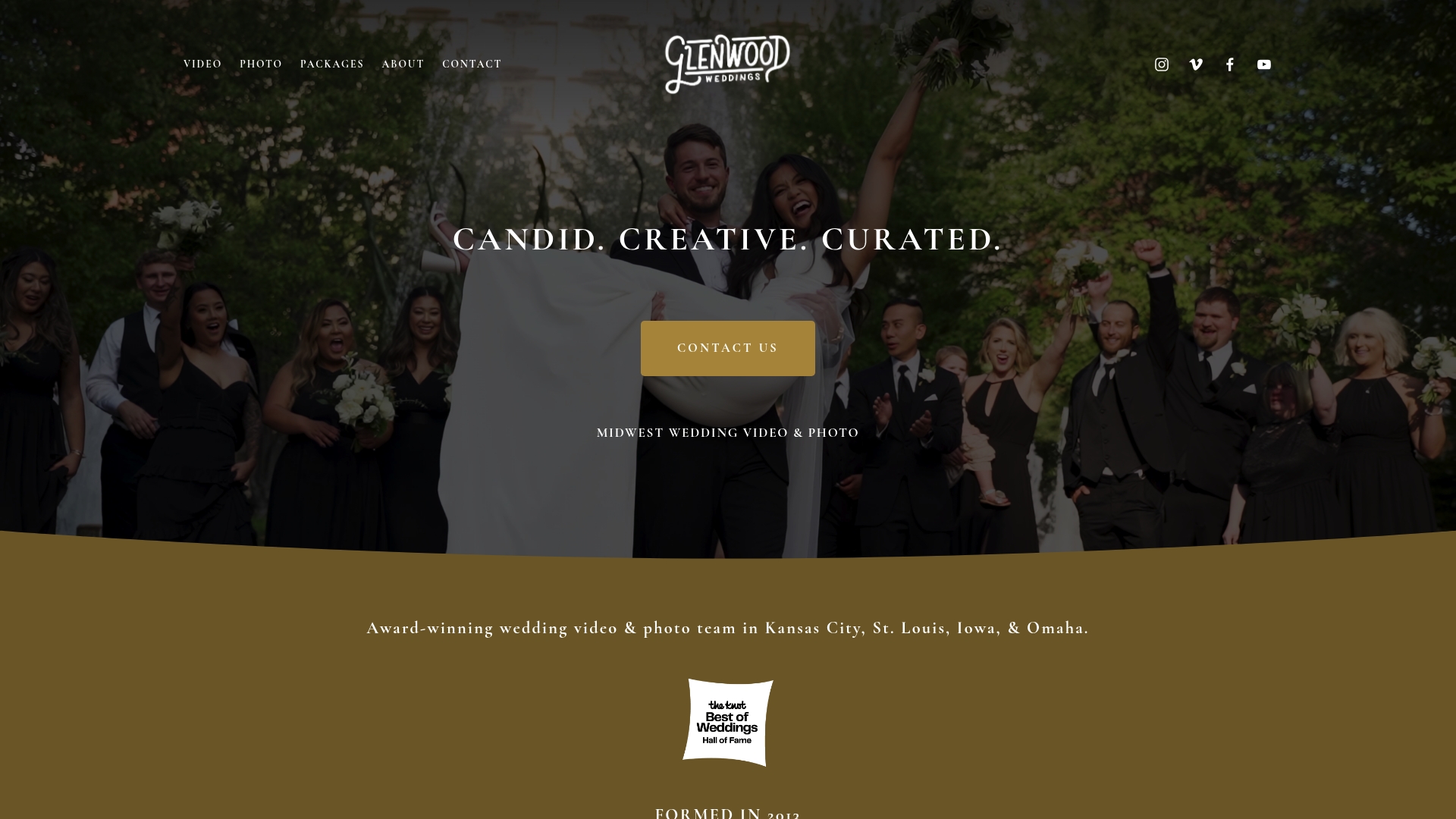
We shoot wedding photography and offer combined photo and video packages built around candid, storytelling-driven coverage for couples in Kansas City, St. Louis, Iowa, and Omaha. Our wedding photography service follows the same documentary principles covered above: minimal direction, maximum authenticity, and a team that works quietly around your day instead of running it.
If you're comparing us against other photographers, here's where to start:
- Ask about our wedding photography to learn more.
- Visit our investment page for package details and to request pricing.
- Schedule a consultation to talk through your timeline, venue, and the specific moments you want captured.
FAQ
What is documentary wedding photography?
Documentary wedding photography captures real, unscripted moments as they naturally occur rather than directing poses. According to the Wedding Photojournalist Association, it applies photojournalism techniques to weddings, prioritizing authenticity over staged performance.
How does documentary photography differ from traditional posed photography?
Documentary photography minimizes direction, letting moments unfold naturally, while posed photography relies on a shot list and active arrangement of subjects. The practical difference shows up in time spent: posed sessions often require dedicated blocks for portraits, while documentary coverage works around natural pauses in your day.
How much does a documentary wedding photographer cost?
Pricing varies by tier and region, but the 2026 Wedding Cost Index reports a national average photographer cost around $3,000. A separate industry pricing analysis breaks costs into entry-level, established, and luxury tiers, with add-ons like second shooters and albums affecting the final quote.
Do I need a second photographer for documentary coverage?
A second shooter helps when your guest count is large, your venue has multiple spaces, or your ceremony and reception happen simultaneously in different areas. Ask your photographer directly whether a second shooter is included or available as an add-on.
Should I add videography alongside documentary photography?
Adding videography alongside photography captures movement, sound, and speeches that still images cannot, giving you a fuller record of the day. Couples who want both often look at combined photo and video packages designed to cover the same key moments from both formats.
Sources
- Wedding Reportage / Documentary Photographers of the WPJA
- Wedding Photographer Cost: Real 2026 Prices & Where You Save
- Wedding Cost Index 2026: Costs by Service and Region